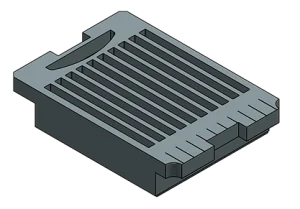
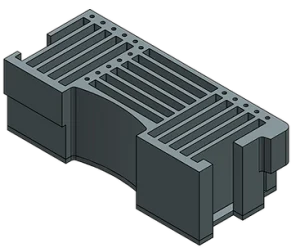
Formcase’s Inlay Laboratory focuses on producing custom foam inserts designed to securely hold and protect all sorts of devices including cameras and drones.These inserts are crafted to fit the specific dimensions and requirements of the equipment, ensuring a snug fit that minimizes movement and potential damage during transport.The use of high-quality foam materials also provides cushioning against shocks and vibrations.
Customized Designs
The flexibility of Formcase’s solutions means they can accommodate virtually any type of gear. Whether you need a protective case for cameras, drones, power banks, medical devices, industrial tools, or creative equipment like VR headsets and audio interfaces, the Inlay Laboratory can develop a tailored foam insert to match. This personalized approach is not limited to standard shapes or sizes, as each case is crafted to meet the specific requirements of the client, optimizing both protection and space utilization.
Versatility Across Industries
Formcase’s solutions are used across various professional fields, including education, healthcare, industry, and creative sectors. In educational settings, their cases facilitate the secure transport and charging of tablets and laptops. In healthcare, the cases protect sensitive medical equipment, ensuring it remains sterile and undamaged. Industrial clients rely on Formcase to safeguard tools and devices in demanding environments, where durability and protection are crucial.
No matter the application, Formcase ensures that the case configuration meets the precise specifications of the client. This level of customization is invaluable for professionals who need reliable and efficient transport solutions.
Photograhy & Videography
Cameras (DSLR, mirrorless, cinema)
Lenses of various sizes
Tripods and monopods
Gimbals and stabilizers
Microphones and audio gear
Memory cards and storage devices
Studio equipment (softboxes, reflectors)
Drone and Aerial Gear
Drones (consumer and professional)
Remote controllers
Propellers and spare parts
Batteries and charging hubs
FPV goggles and accessories
Maintenance tools and repair kits
Camera mounts and stabilizers
Medical and Healthcare Equipment
Diagnostic devices (e.g., ECG, ultrasound)
Portable medical kits
Surgical tools and instruments
Sterile packaging for medical devices
Portable defibrillators
First aid and emergency response kits
Lab equipment (e.g., microscopes)
Industrial and Technical Tools
Power tools (drills, grinders, saws)
Hand tools (wrenches, screwdrivers)
Measuring instruments (calipers, gauges)
Inspection cameras
Spare parts and maintenance kits
Safety gear and protective equipment
Maintenance manuals and documents
Military and Tactical Gear
Communication devices
Navigation equipment (GPS, compasses)
Firearms and ammunition (if applicable)
Tactical vests and armor plates
Night vision goggles
Personal protective gear
Field maintenance kits
Outdoor and Adventure Gear
Camping and hiking equipment
Fishing gear (rods, reels, tackle)
Climbing tools (carabiners, ropes)
Survival kits
Cooking equipment (portable stoves)
Safety and signaling devices
GPS trackers and power sources
The Process
Interactive Cards
1. Initial Considerations
Functional and technical requirements
Legal/regulatory requirements
Identified risks/opportunities
New purchased materials required (if yes, which ones, from which potential suppliers)
New production processes required (if yes, which ones, which resources are needed)
Feasibility assessment
2. Offer and Planning
Cost planning
For customer development: Offer/Contract
Creation of a project plan
Creation of drawing(s)
Internal approval
Customer approval
3. Procurement and Production Prep
Procurement: Creation of the parts list
Procurement: Specification of the purchased parts
Procurement: Obtaining REACH, RoHS, CE, other
Procurement: Supplier approval
Procurement: Ordering of purchased parts
Procurement: Auxiliary and operating materials
Procurement: Incoming goods inspection
Creation of production documents Creation of test documents
Training of employees
Construction of prototype(s)
Testing of prototypes
4. Verification and Approval
Functional and technical requirements met?
Legal/regulatory requirements met?
Instructions for use created?
Price set?
Internal approval?
Customer approval.
5. Finalization
Development changes agreed, recorded
Marketing activities planned
Custom Case Solutions
Beyond foam inserts, Formcase provides fully customized case solutions.Clients can select from a wide range of case sizes, from very small to very large, to accommodate their specific needs.The customization process involves a thorough analysis of the client’s requirements, including functional and technical specifications, regulatory considerations, and risk assessments.Based on this analysis, Formcase’s design team develops a unique solution, complete with a free 3D drawing, to ensure the final product meets all expectations.
Robust and Reliable Construction
Formcase cases are made from high-quality, impact-resistant materials to withstand challenging environments. The use of polypropylene (PP) ensures that the cases are lightweight, durable, and resistant to shocks, moisture, dust, and temperature fluctuations. This material is particularly suited for both indoor and outdoor applications, offering reliable protection in any setting.
Formcase’s commitment to quality and durability means that their cases are not only practical but also built to last. The material’s properties allow the cases to maintain their structural integrity despite frequent handling and transport, making them ideal for professionals who require dependable storage and mobility solutions.
Materials in Formcase
What is it made of?
Formcase in Education
Discover the benifits of premium charging solutions
Formcase in B2B Industries
It's not just a goal; it's a promise
Formcase in Sustainability
It's not just a goal; it's a promise
Full Service Provider
Formcase is your all-in-one provider for secure device management and charging solutions.
Premium Quality
Formcase delivers premium-quality charging and storage solutions built to last.
World Wide Shipping
Formcase offers fast, reliable worldwide shipping - delivering our solutions safely to your doorstep, wherever you are.
Excellent Customer service
Our team is always here to support you with quick, friendly, and reliable assistance.